10 WhatsApp Marketing Software Solutions for Customer Relationship Management
Your WhatsApp chats are filling up with customer questions, order updates, and support tickets that no spreadsheet can track. You need a tool that turns those conversations into a real CRM, not another notification center. The right software decides whether your team answers in minutes or loses the lead to a faster competitor.
This article breaks down the ten best WhatsApp marketing platforms for customer relationship management, from Com.bot's unified inbox and visual bot builder to dedicated CRM suites like Zoho and HubSpot. You will get concrete criteria for comparing them, a clear number one pick, and a practical checklist to match the right tool to your team size and automation needs.
What to Look For in WhatsApp Marketing Software for CRM
Before you pick a WhatsApp marketing tool, you need to know what separates a game-changer from a glorified messaging app. The right platform should feel like a natural extension of your sales and support workflow, not another tab you have to babysit.
Start with native WhatsApp Business API integration. A true API connection gives you two-way communication, rich media sharing, and message templates that feel professional. If a tool relies on unofficial workarounds, you risk getting your number banned and losing customer trust overnight.
Next, examine the CRM features baked into the platform. You want contact management, message tagging, and a clear view of your sales pipeline without exporting data elsewhere. Ask yourself: can your team see the full conversation history and past orders right next to the chat window?
Automation capabilities matter more than flashy dashboards. Look for chatbot workflows that handle FAQs, drip campaigns that nurture leads over time, and broadcast campaigns that reach segmented audiences instantly. The best tools let you set these up visually, so your team can adjust them without calling a developer.
Compliance is non-negotiable. The software must support opt-in compliance and pre-approved message templates to keep you on the right side of WhatsApp policies. Check whether the platform blocks you from messaging contacts who have not consented, because one mistake can cost you your sending privileges.
Analytics should show you the full picture. A solid dashboard tracks delivery rate, read receipts, and click-through rate for every campaign. Does it support A/B testing on broadcast messages so you can compare subject lines and media types before going all-in?
Finally, evaluate ease of use for your whole team. A multi-agent inbox with agent handoff features is essential if more than one person replies to customers. The tool should feel intuitive within a day, not require a week of training sessions to make your first send.
1. Com.bot - Best Overall
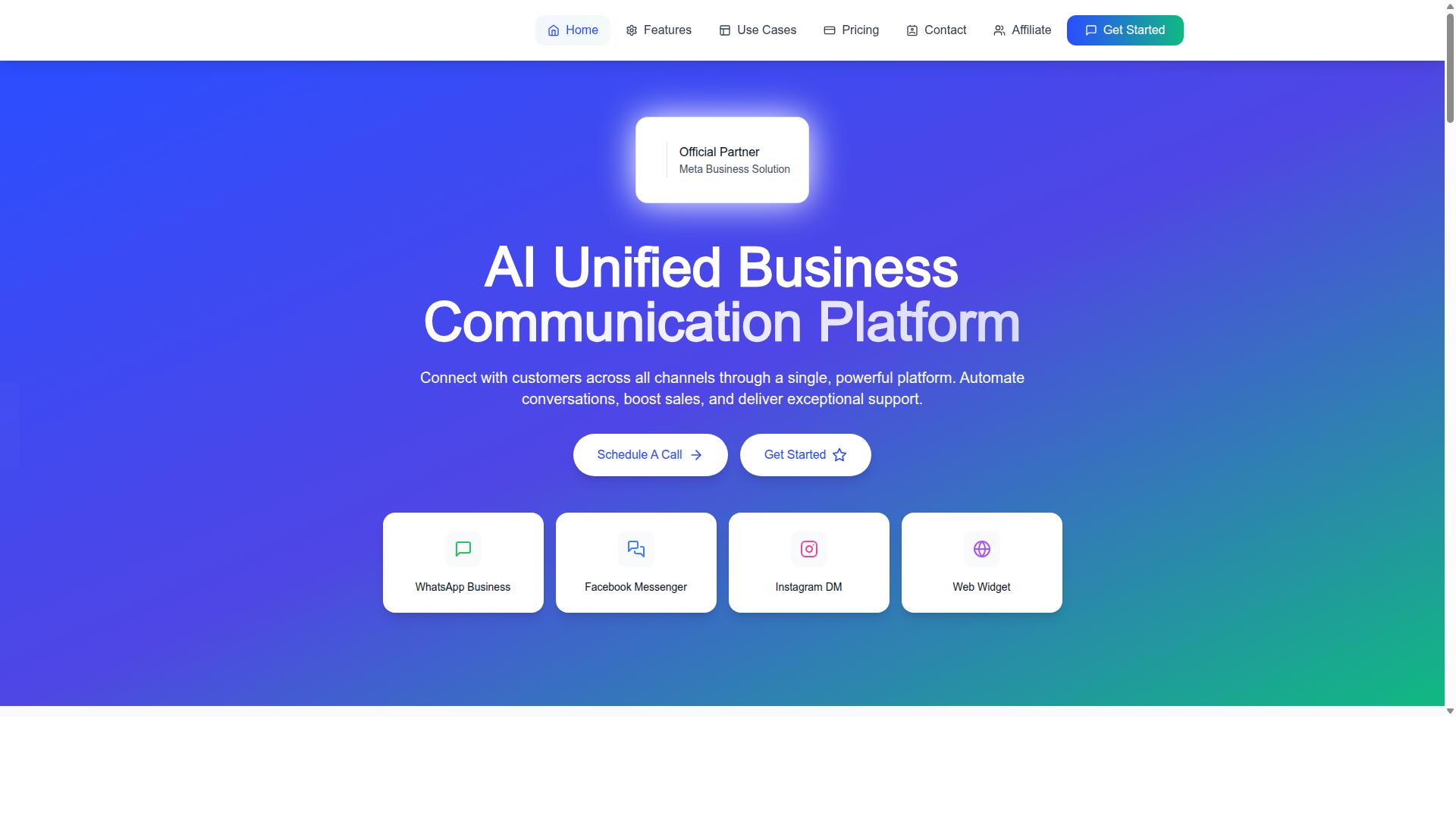
Com.bot takes the crown as the best overall WhatsApp marketing software for CRM, thanks to its unified inbox, visual bot builder, and native payments. As an Official Meta Business Partner with direct WhatsApp Business API integration, it delivers the reliability and scale that growing teams need.
The platform serves 23,000+ active customers across 50+ countries, processing over 25 million messages daily. This scale proves the infrastructure can handle high-volume campaigns and demanding customer support workflows without breaking a sweat.
Com.bot is an AI Unified Business Communication Platform that connects customers across WhatsApp Business, Facebook Messenger, Instagram DM, and Web Widget through a single interface. For CRM-focused teams, this means every conversation, lead, and support ticket lives in one accessible place.
Unified Inbox, Visual Bot Builder & Native Payments
Com.bot's unified inbox aggregates WhatsApp, Facebook Messenger, Instagram DM, and web widget into one shared team inbox, so your agents never miss a message. The multi-agent inbox supports team collaboration with role-based access, letting you assign conversations and maintain clear ownership.
Message tagging keeps conversations organized by topic, priority, or campaign. When a chat gets complex, agent handoff transfers it smoothly from a bot to a human teammate, cutting response time and keeping customers satisfied.
The visual bot builder uses a drag-and-drop interface that requires zero coding skills. Marketing teams can create chatbot workflows for lead generation, qualification, and customer support in minutes, not days. With over 100,000 bots created on the platform, the popularity speaks for itself.
Native payments let you collect transactions directly within WhatsApp, closing the gap between conversation and conversion. A customer can ask about a product, receive a quote, and pay without leaving the chat window. This streamlines sales and reduces friction in the buying journey.
Beyond these three pillars, Com.bot offers bulk messaging, order updates, and an automation builder with 1000+ integrations. The platform also includes Tasks.Bot for enterprise task automation, Tickets.Bot for event ticketing, and Calendars.Bot for AI appointment booking, making it a complete business communication hub.
2. Kommo
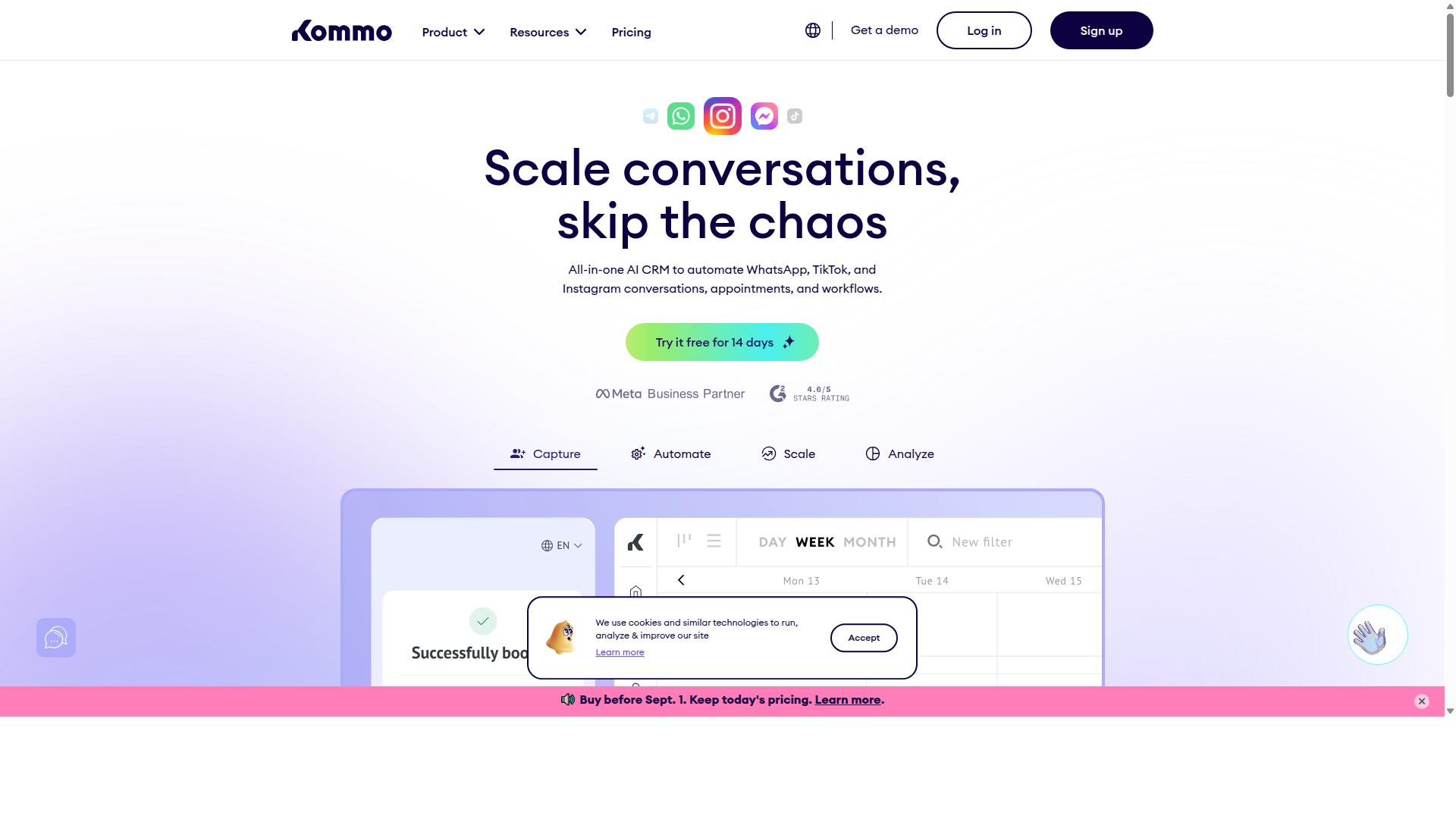
Kommo is a solid choice for sales teams that want WhatsApp integrated directly into their CRM pipeline. Its core strength lies in being CRM-first, meaning the chat experience is built around managing deals and contacts rather than the other way around.
The platform offers a visual pipeline view that helps sales representatives track where each lead stands in the buying process. Lead scoring and contact management are central features, making it easier for teams to prioritize high-value prospects and keep detailed histories of every interaction.
Kommo also includes a built-in chat inbox that consolidates WhatsApp conversations alongside other channels like Instagram and TikTok. This multi-channel approach supports conversational sales, allowing agents to move between platforms without losing context or switching tabs.
Its Salesbot automation handles basic tasks such as greeting visitors, qualifying leads, and sending follow-up messages. However, teams looking for deeply complex chatbot workflows may find the automation capabilities less advanced than dedicated chatbot platforms. The tool works best for straightforward lead capture and nurturing sequences rather than intricate branching logic.
Broadcasting tools allow you to send messages to multiple contacts at once, which supports promotional campaigns and announcements. That said, keep opt-in compliance in mind when using broadcast features, since WhatsApp regulations require explicit consent from recipients before sending marketing content.
For sales-focused organizations that prioritize pipeline management and contact organization, Kommo delivers a practical, integrated experience. It is a credible option for businesses that want their WhatsApp activity to live directly inside a structured sales workflow.
3. Qmize
Qmize focuses on making broadcast campaigns smarter with deep analytics and segmentation. Formerly known as MSG24x7, this WhatsApp marketing software works through the official WhatsApp Business API to help businesses send bulk messages at scale.
The platform offers campaign management, chatbot automation, and a shared team inbox for handling conversations. It also supports CRM integration, which makes it a practical option for teams that already track customer data elsewhere.
Where Qmize stands out is in its audience targeting and performance metrics. You can segment contacts, run broadcast campaigns, and then review delivery rates, read receipts, and click-through rates to see what actually resonates with your audience.
Its A/B testing capabilities let you compare message variations before committing to a full send. This is especially useful for conversion optimization, since you can refine your copy and offers based on real response data rather than guesswork.
That said, Qmize may not offer the complete range of full CRM features on its own. If you need a built-in sales pipeline, contact management, or drip campaign workflows, you may need to pair it with a dedicated CRM system.
For businesses that already use a separate CRM, Qmize works well as a customer engagement layer for WhatsApp. It handles the messaging, automation, and analytics, while your existing CRM manages the deeper relationship data and sales tracking.
Compliance with Meta's policies is another point in its favor, which matters for any business running automated messaging at scale. The tool positions itself for startups and enterprises alike, though pricing details are not publicly listed.
If your priority is broadcast campaigns with strong measurement, Qmize deserves a look. Just be clear about what your CRM needs to cover separately.
4. JoyzAI
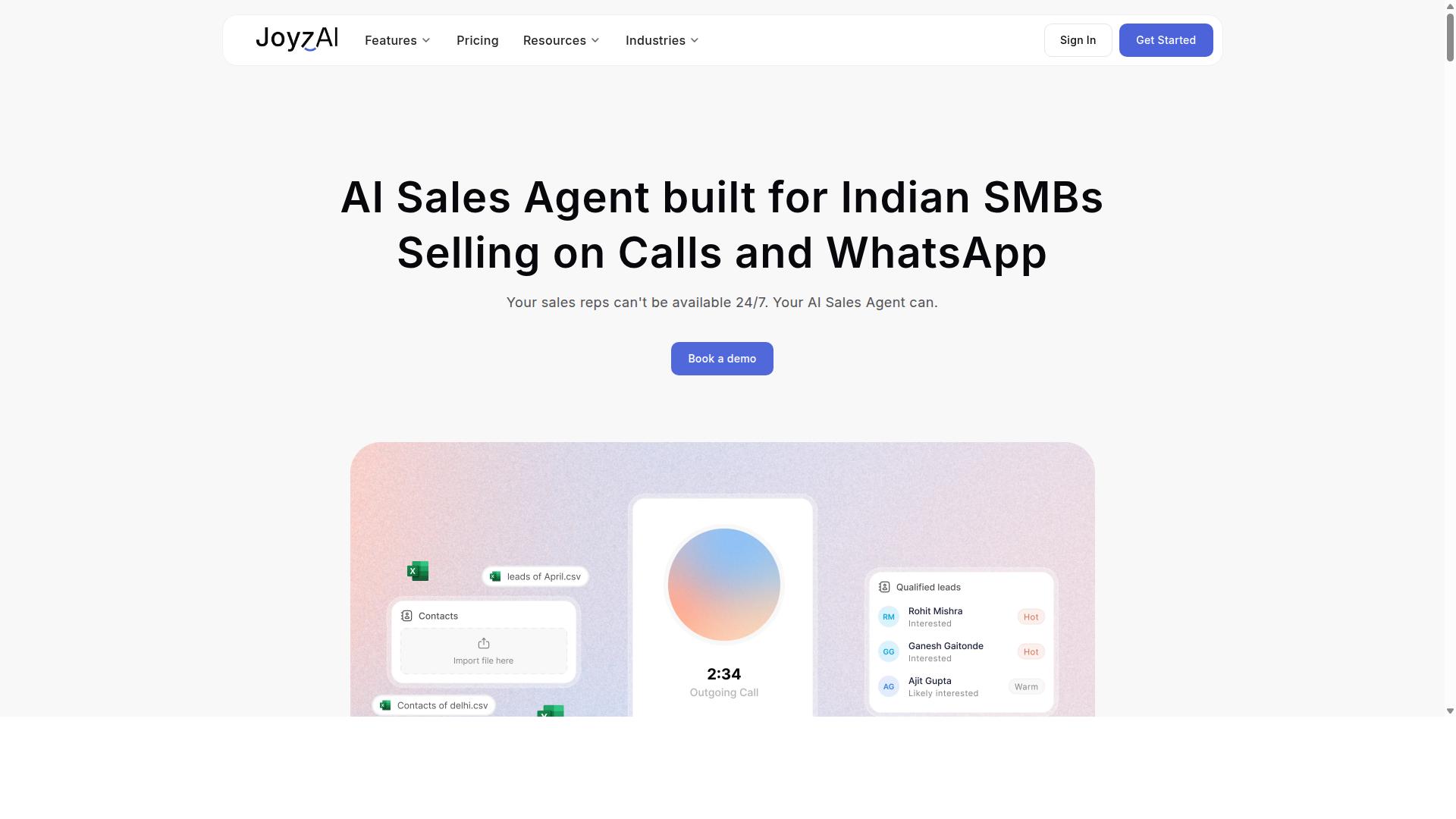
JoyzAI leverages AI to automate customer conversations and cut response times dramatically. It is an AI-first WhatsApp CRM built for small and medium businesses that need fast, round-the-clock engagement without a large support team.
The core strength is its intelligent chatbot that handles common queries, qualifies leads, and automates follow-ups around the clock. When a conversation gets too complex, the system can hand off to a human agent, which keeps customer support personal where it matters most.
JoyzAI also includes bulk messaging, a shared team inbox, and multilingual support. These features make it a solid choice for teams that want automated messaging plus a human safety net.
One thing to note: advanced CRM integration may require more setup effort than some alternatives. If your existing CRM stack is complex, plan for extra configuration time before your chatbot workflows run smoothly.
5. Zoho CRM
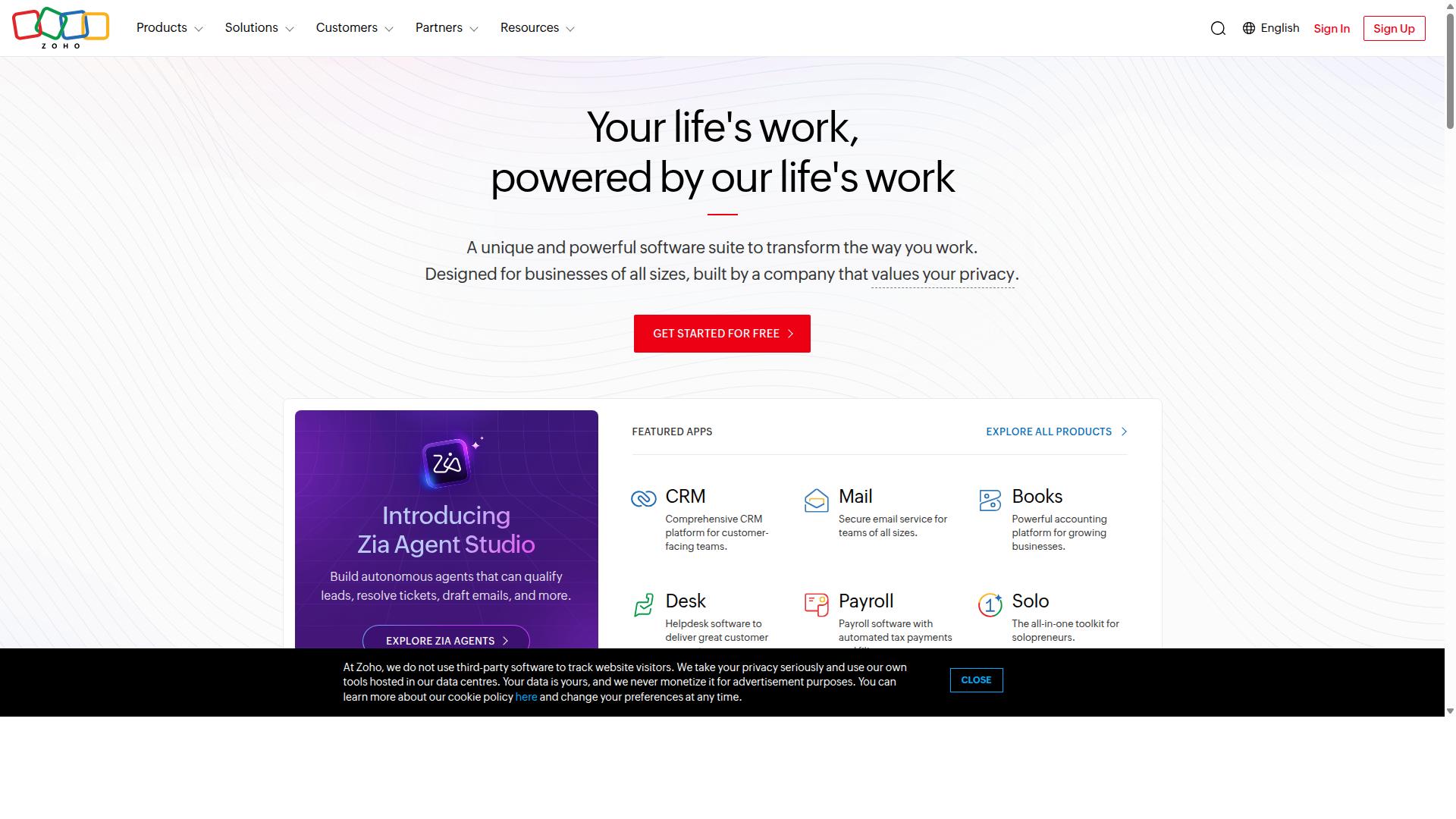
Zoho CRM is a heavyweight in the CRM space, and its WhatsApp integration brings messaging into your existing workflows. The platform is best suited for businesses already using the Zoho ecosystem, since it syncs chat data directly with your contact records.
Its comprehensive contact management keeps every customer interaction organized in one place. You can track the full history of a lead, from first WhatsApp message to closed deal, without switching between apps.
The sales pipeline automation is a standout feature. Deals move through stages automatically, and WhatsApp conversations can trigger follow-up tasks or update deal stages based on customer responses.
Zoho offers the WhatsApp Business API integration for two-way communication. This supports message templates, automated messaging, and keeps your customer engagement within the same system you already use for forecasting.
Customization options are extensive. You can build custom modules, fields, and layouts to match your exact sales process, and the analytics dashboard gives you visibility into performance metrics across your entire pipeline.
A free plan is available, with paid tiers starting from 1,300 per month per user. That pricing makes it accessible, but the complexity can be a hurdle for smaller teams.
For small businesses, Zoho CRM may be overkill. The sheer number of features can require dedicated administration time, and the learning curve is steeper than simpler WhatsApp marketing tools.
For enterprises, however, this is a strong choice. Large teams benefit from the scalability, deep reporting, and the ability to manage massive contact databases with granular customer segmentation.
If your organization already relies on Zoho apps, this integration feels natural. If you are starting fresh and only need WhatsApp marketing, a lighter dedicated tool might serve you better.
6. HubSpot
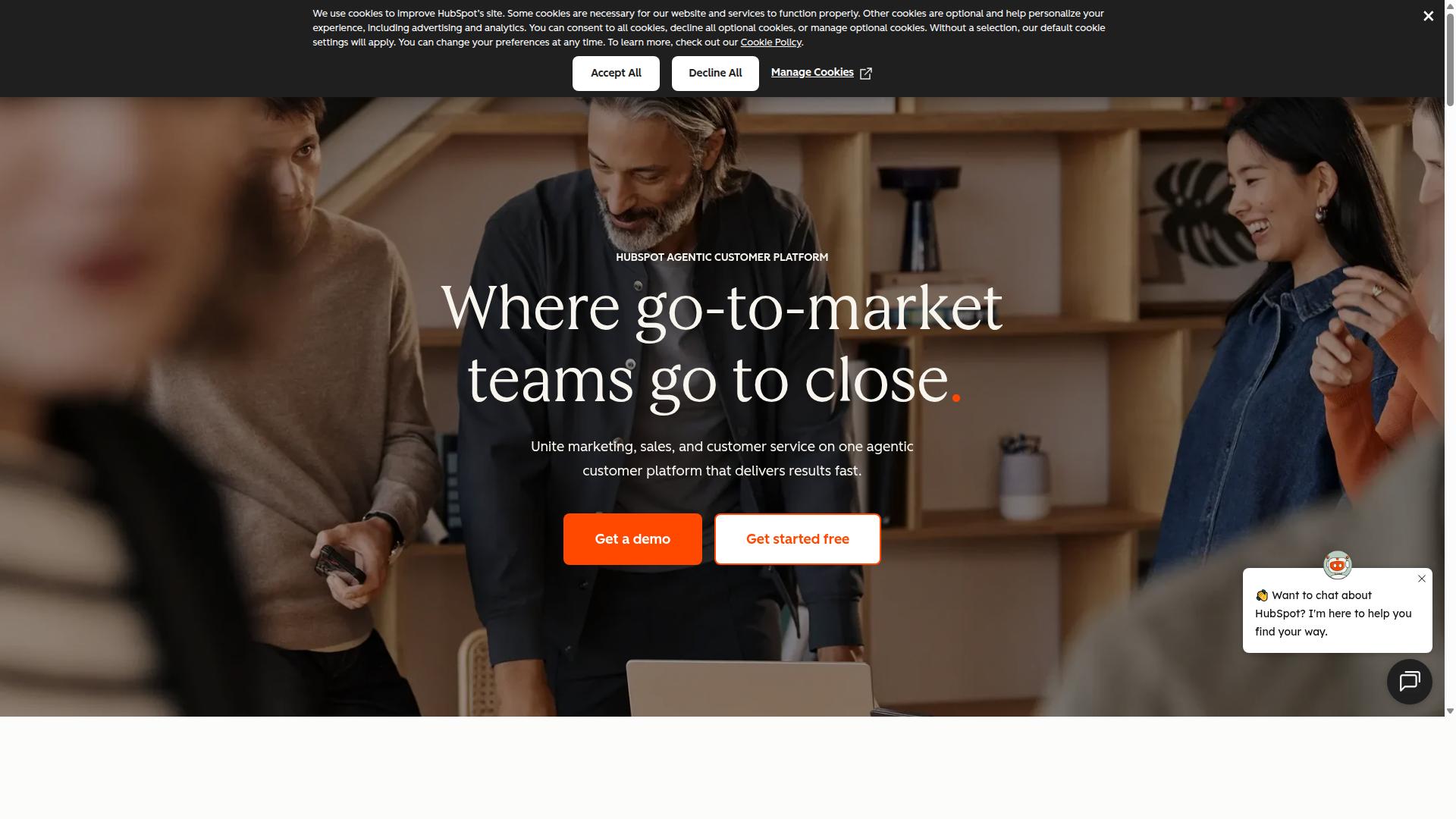
HubSpot's marketing hub now supports WhatsApp, making it a strong contender for inbound marketers. The platform pairs its well-known CRM with messaging tools, so teams can manage contacts and conversations in one familiar place.
Its main strength lies in personalized marketing and customer segmentation. You can sort contacts by lifecycle stage, behavior, or deal value, then send WhatsApp messages that match where each person sits in the sales pipeline.
HubSpot offers WhatsApp integration primarily through third-party connectors. This setup supports automated messaging and broadcast campaigns, letting you push promotions or updates to large audience segments without manual effort.
The all-in-one CRM approach means your WhatsApp conversations link directly to contact records. That makes it easier to track engagement history, follow up on leads, and keep a clean audit trail for customer support interactions.
One thing to keep in mind: advanced WhatsApp features may require higher-tier plans. The free CRM tier covers basic contact management, but deeper automation and richer reporting typically sit in paid tiers like Sales Hub Starter, which starts from a modest per-user monthly rate.
For mid-size businesses already invested in HubSpot's ecosystem, this option reduces tool sprawl. You get chat automation, contact management, and analytics dashboards under one roof, even if the WhatsApp layer depends on integrations rather than native build.
7. Salesforce
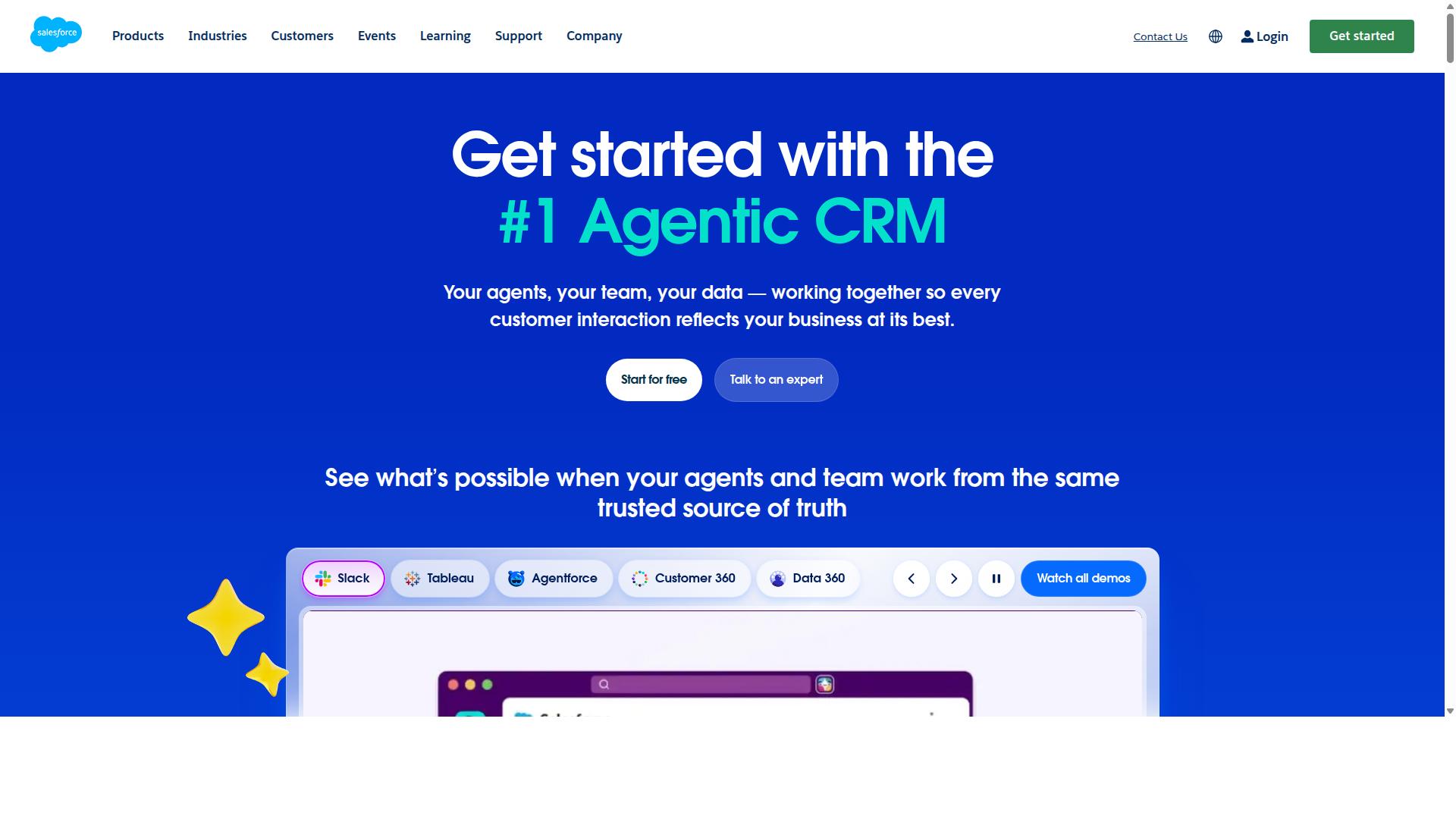
Salesforce is the enterprise giant, and its WhatsApp integration is built for scale and complexity. For organizations already running their entire business on the Salesforce platform, adding WhatsApp messaging creates a natural extension of their existing CRM integration and sales pipeline management.
The platform excels at contact management and sales pipeline visibility. Every WhatsApp conversation can attach directly to a lead, contact, or opportunity record, which gives sales teams a complete view of customer interactions without switching between tools.
Salesforce's WhatsApp Business API integration is designed for large teams with complex workflows. You can route messages based on your existing business logic, automate follow-ups, and keep customer engagement data flowing into reports that leadership already uses daily.
Einstein AI adds another layer of capability. The platform can surface insights about customer behavior, predict next best actions, and help prioritize leads based on conversation history and deal stage, all within the familiar Salesforce interface.
Customization is one of Salesforce's strongest assets. With the AppExchange and a deep set of developer tools, nearly any workflow can be built, from chatbot workflows to automated messaging sequences tied to specific pipeline stages.
That power comes with trade-offs. The steep learning curve is real, and most teams need dedicated administrators or consultants to configure the system properly. Training new staff takes time, and the interface can feel overwhelming for smaller operations.
Cost is another consideration. Salesforce offers a free plan and a Starter Suite from $25 per month per user, but enterprise plans are significantly higher. For large organizations with existing Salesforce investments, the pricing makes sense. For smaller teams, it can be hard to justify.
Salesforce suits companies that already live inside its ecosystem and need deep integration with their broader sales operations. If your team is small or you need a quick, lightweight WhatsApp CRM setup, a more specialized tool will likely deliver faster value. But for enterprise-scale broadcast campaigns and two-way communication tied to complex sales cycles, Salesforce remains a serious contender.
8. Pipedrive
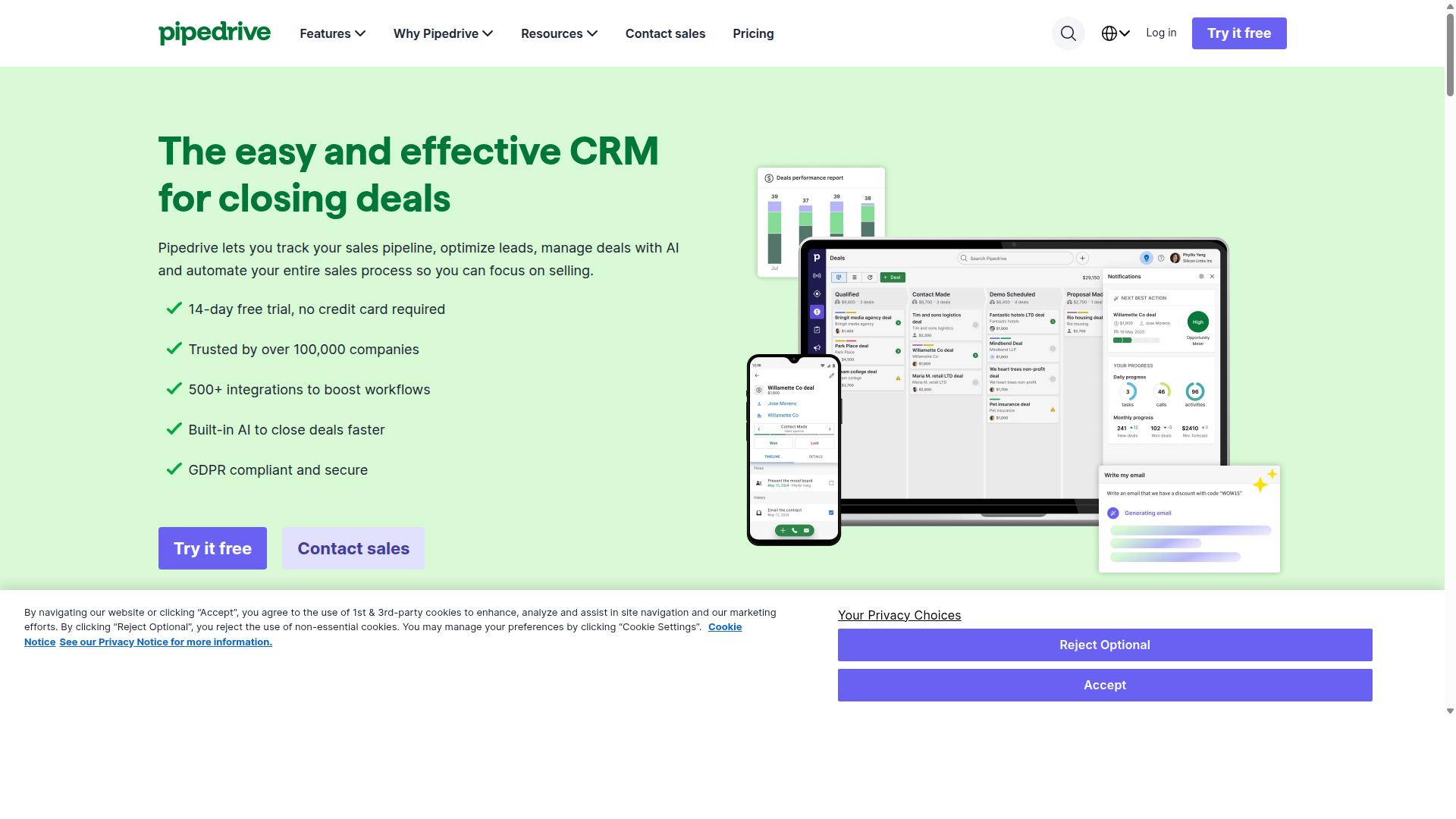
Pipedrive is a visual CRM that loves sales pipelines, and its WhatsApp add-on keeps conversations in context. The platform is built around activity-based selling, which means every contact, message, and follow-up task lives inside a clear, visual workflow.
For sales teams, Pipedrive's strength is its deal tracking focus. You can see exactly where each conversation stands, what message was last sent, and what action comes next, all without switching tabs or digging through old threads.
The WhatsApp integration is practical rather than flashy. It syncs your customer chats into the same view as your pipeline, which helps reps maintain context during negotiations and follow-ups. This is especially useful for two-way communication on deals that require multiple touchpoints.
That said, Pipedrive is a sales tool first. It may lack the advanced marketing automation that some teams need for broadcast campaigns or complex drip sequences. If your priority is closing deals with clean pipeline visibility, Pipedrive fits well. If you need deeper marketing chat automation and customer segmentation, you may want a more marketing-centric platform.
9. Zendesk
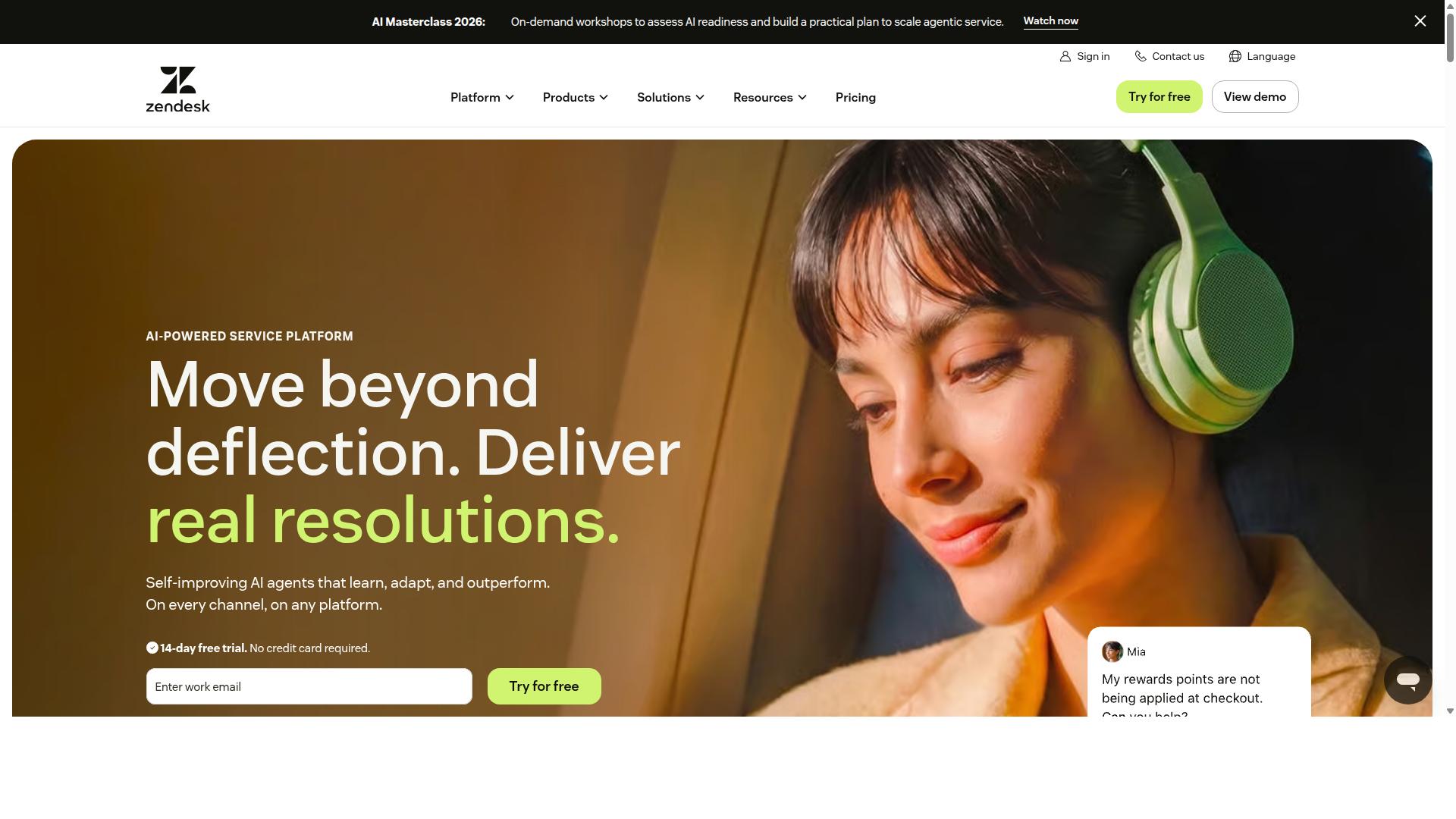
Zendesk is a customer support powerhouse, and its WhatsApp integration makes it a top pick for service teams. The platform is built around a shared team inbox that lets multiple agents work the same conversation without stepping on each other. This design keeps every customer interaction in one visible thread.
The built-in ticketing system automatically organizes WhatsApp messages into trackable cases. Agents can prioritize urgent requests, assign ownership, and monitor resolution progress from a single dashboard. That structure removes the guesswork from daily support workflows.
WhatsApp integration noticeably improves response time because incoming messages land directly in the same queue as email and chat. Agents no longer need to switch between apps to catch a customer on WhatsApp. The unified view also makes agent handoff cleaner when a conversation needs to move to a specialist.
Multi-agent support is a core strength here. Several team members can view the same conversation history, add internal notes, and pick up where a colleague left off. That continuity prevents customers from repeating themselves every time they message.
It is worth noting that Zendesk leans support-centric rather than marketing-focused. You get excellent tools for deflection, SLAs, and ticket management, but less emphasis on broadcast campaigns or drip sequences. Pricing starts from $25 per month per agent for the Support plan, which makes it accessible for growing teams.
For businesses that live and breathe customer service, Zendesk is a reliable fit. It handles high volumes gracefully and keeps quality high when multiple agents share the load. Just know that its WhatsApp capabilities shine brightest in the support queue, not in outbound marketing.
10. WATI
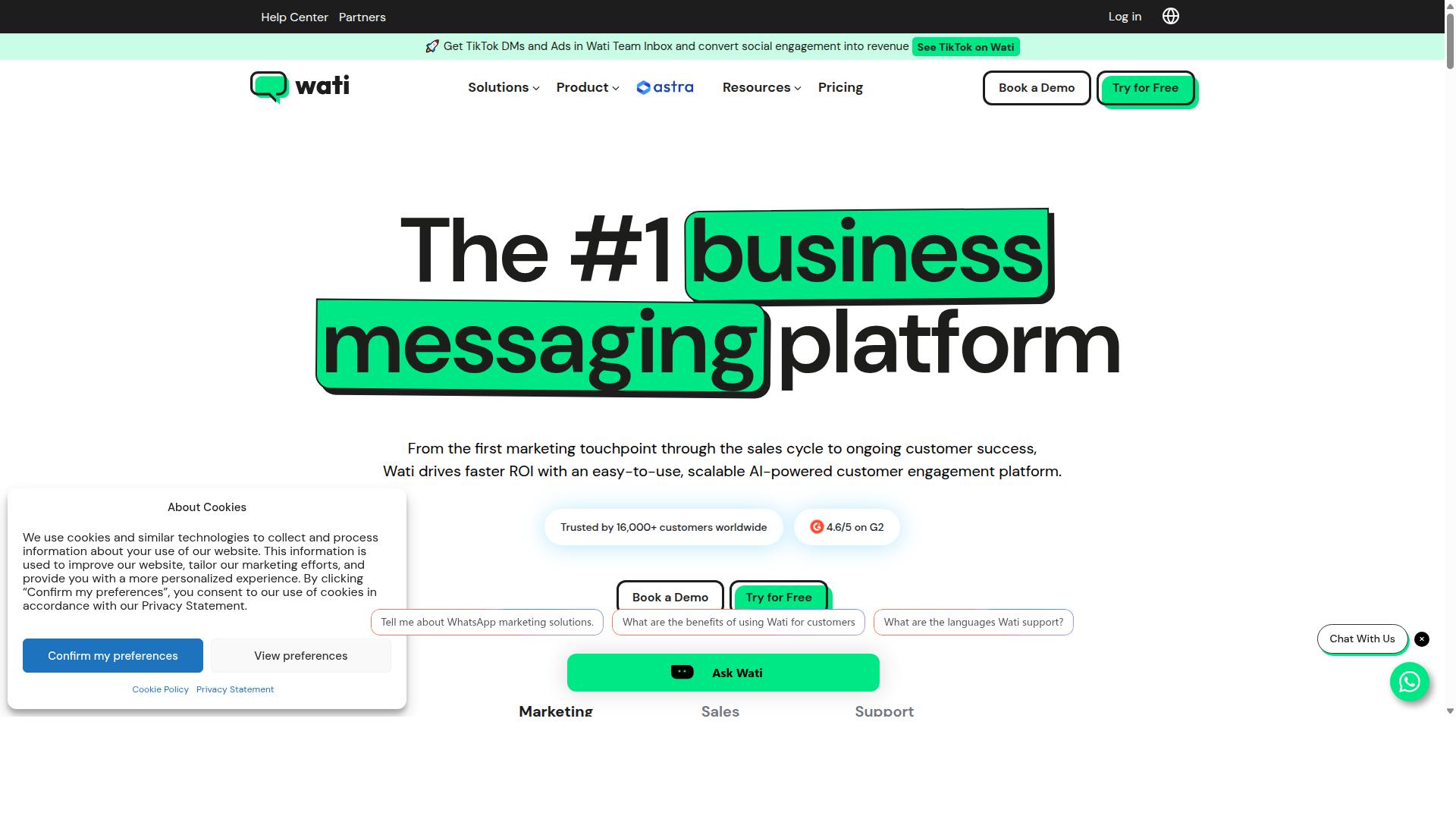
WATI is a dedicated WhatsApp Business API platform that nails broadcast campaigns and automation. It is built for small and medium businesses that want to reach customers where they already spend time, without a steep learning curve.
The platform offers a no-code chatbot builder, a shared inbox, and broadcast tools that make it easy to send updates at scale. Message templates and opt-in compliance features are handled within the platform, which helps teams stay aligned with WhatsApp's policies while running campaigns.
Setup is straightforward, making WATI a practical choice for teams that want to get going quickly. The chat automation tools can handle common questions and route conversations, which reduces the manual workload for support staff.
However, WATI may lack deep CRM functionality compared to dedicated customer relationship platforms. Teams that need advanced sales pipeline tracking, detailed customer segmentation, or complex reporting might find the built-in options limiting.
For that reason, WATI is often best paired with a separate CRM system. Research suggests that combining a specialized WhatsApp tool with a robust CRM gives businesses the best of both worlds: strong messaging automation and complete customer data management.
How to Choose the Right Option
Choosing the right WhatsApp marketing software boils down to your team size, budget, and core goals. Before comparing features, write down your primary use case. Are you chasing lead generation, or is customer support the daily priority?
Start with three simple questions. First, what does your team actually need to automate? Second, how many people will use the shared inbox daily? Third, what level of technical expertise does your team bring to setup and daily management?
Your team size matters more than you think. A small team needs simple chat automation and an easy contact management system. Enterprise operations require multi-agent inboxes, message tagging, and deeper analytics dashboards to keep everyone aligned.
Technical expertise also shapes your choice. Some platforms demand developer involvement for WhatsApp Business API setup, while others offer straightforward interfaces. If your team lacks coding skills, prioritize tools with visual chatbot workflows and pre-built message templates.
Now compare the feature sets that map to your goals. Automation handles drip campaigns and chatbot workflows. Analytics track click-through rate, delivery rate, and read receipts. CRM integration keeps your sales pipeline in sync without manual data entry.
Businesses that need multi-channel support and bulk messaging should prioritize tools that offer those specifically. Com.bot is built for this exact scenario, supporting WhatsApp, Facebook, and Instagram channels for government bodies and enterprises. It handles bulk messaging, order updates, and payment collection across a shared team inbox.
Create a checklist of must-haves before you test anything. Include the non-negotiables like two-way communication, agent handoff, and customer segmentation. Add nice-to-haves like A/B testing, rich media sharing, and opt-in compliance tools.
Finally, consider scalability. The right option should grow with your contact list without forcing a platform switch. Look for tools that support broadcast campaigns today and can scale to advanced chatbot workflows as your customer engagement strategy matures.
Final Verdict
In the end, Com.bot stands out as the best overall WhatsApp marketing software for CRM, thanks to its all-in-one platform and proven track record. The numbers tell a clear story: 23,000+ active customers, 25M+ messages processed daily, and 100K+ bots created across the ecosystem.
What separates Com.bot from the rest is its official Meta Business Partner status. That partnership means enterprise-grade security with end-to-end encryption, real-time message delivery, and no markup on WhatsApp conversations. You get the reliability of a platform trusted by 100+ government bodies and 500+ global partners.
The platform solves the pain points that slow down most WhatsApp CRM efforts. The unified inbox keeps every customer conversation in one place, so your team never misses a message. The bot builder handles repetitive inquiries automatically, while native payments let you close deals without leaving the chat.
For businesses weighing their options, the choice comes down to scale and trust. Com.bot delivers quick setup and integration, so you can launch broadcast campaigns and chatbot workflows within days, not months. That combination of speed, security, and proven performance makes it the natural pick for serious customer engagement.
Explore Com.bot for your business needs and see why thousands of teams rely on it for WhatsApp Business API integration and CRM. The platform is built for two-way communication that drives conversion optimization and long-term customer loyalty.
Recommended Resources: